
Buy Facebook Page Monetization: 2026 Costs & Process Guide
Last updated: October 2026
Services to enable Facebook page monetization cost between $50 and over $500, depending on the method and your page's current state. The process involves either buying a pre-monetized page or using a service to deliver the specific metrics required to apply for Facebook's monetization tools.
To buy Facebook page monetization means paying a third-party service to meet follower and watch-time metrics or purchasing a ready-made page. This practice aims to unlock revenue tools like In-Stream Ads faster than organic growth allows.
These services act as a shortcut to bypass Facebook's eligibility requirements, which can take months to achieve organically. However, this approach carries risks. For example, success depends on choosing a provider that delivers stable metrics from plausible sources. This helps avoid platform flags that could lead to application rejection or page restrictions. For page owners with quality content who are simply stuck below the metric threshold, these services can offer a path to earning revenue sooner.
This guide explains how paid monetization services work, the criteria for evaluating them, and the key differences between buying a ready-made page and upgrading your own.
What Are You Actually Buying? Monetization Services vs. Pre-Made Pages
When you decide to buy Facebook page monetization, you are purchasing one of two distinct products: a service that boosts your existing page's metrics to meet eligibility, or a completely new page that already has monetization enabled.
Monetization Eligibility Services
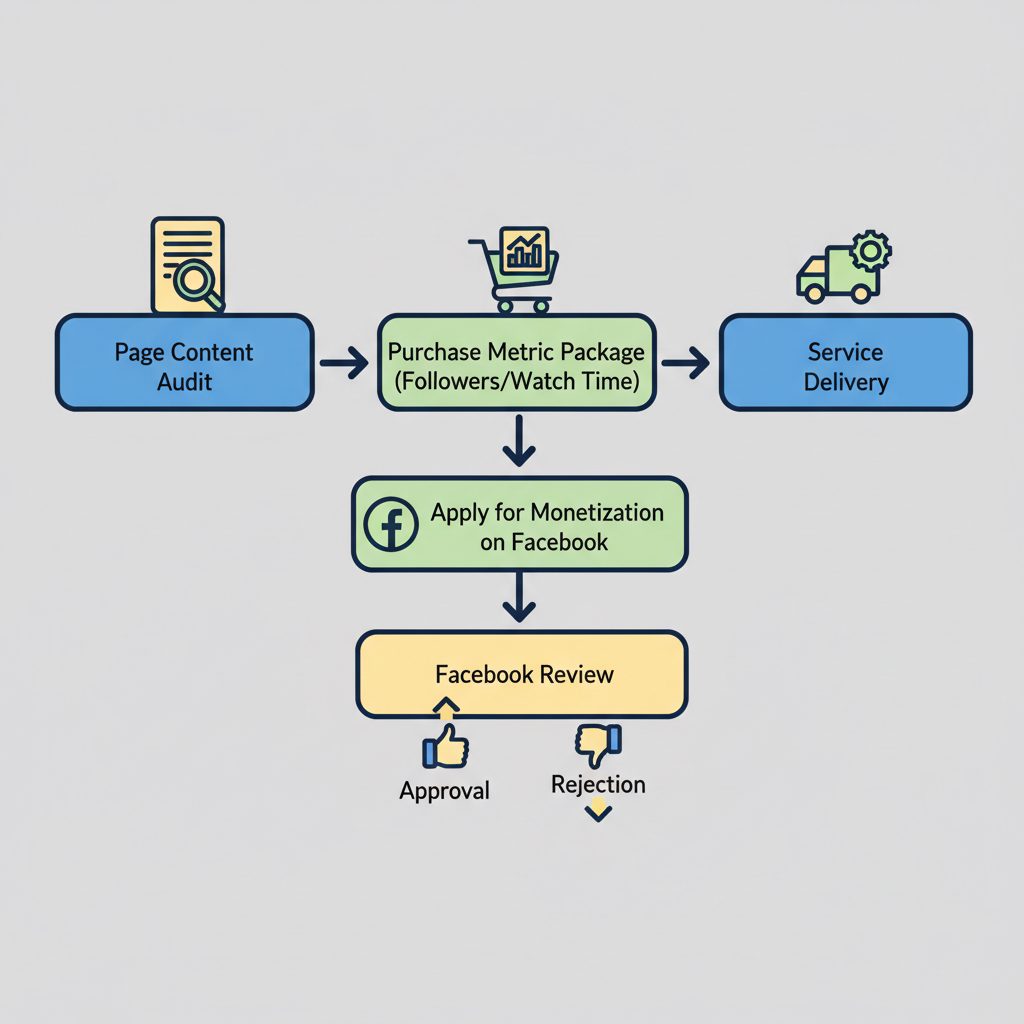
These services focus on delivering the specific numbers Facebook requires for you to apply for its monetization programs, primarily In-Stream Ads. The key metrics are:
- Followers: A minimum of 5,000 followers is required for In-Stream Ads for on-demand video.
- Watch Time: A total of 60,000 minutes viewed in the last 60 days from on-demand, live, or previously live videos.
- Active Videos: Your page must have at least 5 active videos.
The service's job is to deliver these metrics. Afterward, you are responsible for submitting the monetization application to Facebook yourself.
Pre-Monetized Pages for Sale
Buying a pre-monetized page is a more direct approach where you purchase an entire Facebook page that has already been approved for monetization. These are often sold on marketplaces or through private brokers. This method is faster but introduces risks related to the page's history and audience authenticity. Some providers specialize in selling accounts with specific attributes, such as verification badges, which are separate from monetization.
Comparing Facebook Monetization Approaches
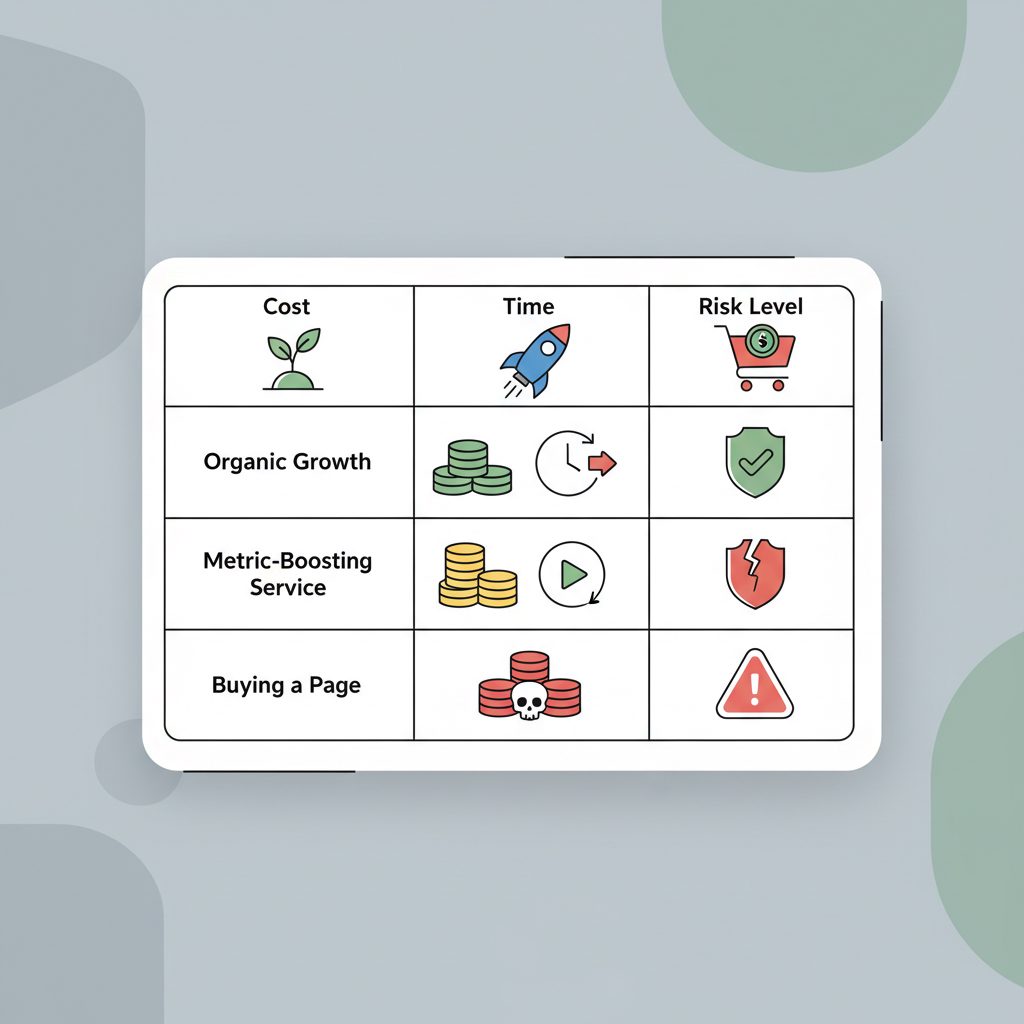
Choosing the right path depends on your budget, timeline, and tolerance for risk. Organic growth is the safest but slowest route. Metric-boosting services are a middle ground, while buying a page is the fastest but requires significant due diligence.
| Method | Typical Cost | Time to Monetize | Primary Risk | Best For |
|---|---|---|---|---|
| Organic Growth | $0 (Ad spend optional) | 6-24+ Months | Time investment yields no results | Brands with a long-term strategy and existing audience. |
| Metric-Boosting Service | $100 - $500 | 1-4 Weeks | Application rejection due to content policy violations. | Pages with good content that are stuck below metric thresholds. |
| Buying a Pre-Made Page | $500 - $10,000+ | Immediate | Page history violations, losing the page after purchase. | Marketers who need a monetized asset immediately and can vet sellers. |
How Much Do Facebook Monetization Services Cost?
The price to enable monetization on a Facebook page varies based on the service model. Understanding the cost structure helps you evaluate what you are paying for.
Metric-Boosting Packages
Most providers price these services as a complete package designed to meet all of Facebook's requirements for a specific tool like In-Stream Ads. The cost is for delivering a set number of followers and total watch minutes. Some panels offer a single, flat-fee service to simplify the process.
For In-Stream Ads for live videos, a page needs at least 10,000 followers and 600,000 total minutes viewed in the last 60 days, with at least 60,000 of those minutes from live videos. A service's job is to help you meet these numbers.
Pre-Monetized Pages
On marketplaces like Flippa, the price for a monetized page is determined by its follower count, niche, engagement rate, and monthly revenue. A small page might sell for a few hundred dollars, while a large, active page with consistent earnings can command tens of thousands. The price reflects the page as a turnkey digital asset.
Where DarkSMM Fits: A Service for Meeting Eligibility
DarkSMM offers a service designed for page owners who have compliant content but lack the metrics to apply for monetization. The service is structured to be a direct solution for the eligibility gap.
The Facebook Page Monetization service is priced at a flat $200 (as of October 2026). This package delivers the required followers and watch hours to make an existing page eligible for a monetization review by Facebook.
It is important to understand what this service does not do. It does not guarantee approval from Facebook. The final decision always rests with Facebook's review team, which checks your page for compliance with their Content Monetization Policies. The service also does not create or manage your content.
This service is best for creators and businesses who are confident in their content quality but are struggling to hit the initial follower and watch-time thresholds organically. If you are looking for an already-earning asset or if your page has content that violates Facebook's policies, you should seek another solution, as no service can override those rules.
How to Spot Unreliable Monetization Providers
Shopping for monetization services requires caution. The market contains many ineffective or risky providers. Here are key red flags to watch for.
- Guarantees of Approval: A guarantee of approval is the most significant red flag. No third-party service can guarantee a decision made by Facebook's internal review team. Providers who make such promises are misrepresenting their influence.
- Metrics That Vanish: Ask about refill policies. If a provider delivers metrics that disappear in 48 hours, they are useless. This indicates the use of low-quality bots that Facebook quickly purges. A reliable service provides metrics that are stable enough for you to submit your application.
- Vague Claims of a "Meta Partnership": Legitimate partnerships with Meta are public and verifiable. Many services claim to have a special backdoor or relationship. You can check for official partners in the Meta Partner Directory. Any claim that cannot be verified there should be treated as false.
- Insecure Payment Methods: Reputable businesses use standard, secure payment gateways. A provider demanding payment via irreversible methods like direct cryptocurrency transfers or gift cards presents a high risk of fraud.
Understanding the Risks and Facebook's Policies
Using a service to fast-track monetization eligibility is not without risk. While an outright ban is unlikely for a first offense, other negative outcomes are possible.
Potential Negative Outcomes
The most common negative outcome is having your monetization application rejected. Even if your page meets all the follower and watch-time numbers, Facebook will deny the application if it finds violations of its Content Monetization Policies or Community Standards. Other potential consequences include:
- Application Rejection: The most common result, often due to content issues, not metrics.
- Page Restrictions: A temporary inability to re-apply for monetization.
- Demonetization: In severe cases of artificial inflation, Facebook may remove monetization from a previously approved page.
The single biggest risk is not the source of your metrics, but the quality of your own content.
3.64 billion: The number of daily active people across Meta's Family of Apps as of September 2026. This massive user base is why access to its monetization tools is so valuable. Meta Q3 2026 Results, 2026
The Role of Verification
While page verification is separate from monetization, it can play a supporting role. A verified blue badge signals authenticity to Facebook's systems and to your audience. However, it does not grant automatic monetization approval. Understanding the cost and process of Facebook verification is useful, but it should be seen as a parallel goal, not a prerequisite for earning revenue.
Before You Start: A Pre-Purchase Checklist
Before engaging any monetization service, complete these steps to maximize your chances of success and avoid wasting money.
- Audit Your Content Thoroughly: Review every video and post on your page. Remove anything that could violate Facebook's Partner Monetization Policies, such as static images with background music, text montages, or unedited content from other sources.
- Check Your Page Quality Status: In Meta Business Suite, navigate to the Page Quality section. Address any existing violations or warnings before proceeding. Applying for monetization with active violations is an automatic rejection.
- Confirm Regional and Profile Eligibility: Ensure that Facebook monetization is available in your country and for your page or profile type. Facebook maintains an official list of supported regions and languages.
- Define Your True Goal: Be honest about your objective. Are you trying to boost a high-quality page that's just short of the metrics, or are you looking for a shortcut without having put in the content work? Your answer determines which type of service, if any, is appropriate.
- Read the Service's Terms: Pay close attention to the provider's terms of service. Look for specifics on delivery speed, metric stability, and what happens if the numbers drop before your application is reviewed (i.e., a refill guarantee).
Frequently Asked Questions
Can you get banned for buying Facebook monetization services?
An outright page ban is rare, but page restrictions or demonetization are real risks if low-quality, artificial methods are detected. The primary risk is tied to the provider's quality. Using a service that provides unstable, bot-driven metrics is much more likely to trigger a negative action from Facebook than one that delivers metrics from more stable sources.
How long does it take to get monetized after meeting the requirements?
After your page meets the metric requirements and you submit the application, Facebook's internal review process begins. This can take anywhere from a few days to several weeks. The service's job ends when you become eligible to apply; the timeline after that is entirely controlled by Facebook.
What's the difference between page verification and page monetization?
These are two separate and independent processes. Page verification confirms the authenticity of a public figure, brand, or entity and is usually signified by a blue checkmark. Page monetization refers to the ability to earn money from your content through tools like in-stream ads. A page can be monetized without being verified, and a verified page is not automatically eligible for monetization.
Do I still get paid if my followers are from a service?
Yes, if your page is approved for monetization. Facebook's payments are based on the ad impressions generated by your future content viewers, not on the origin of the followers who made you eligible. The purchased followers and watch time are the key to unlocking the monetization tools; your subsequent earnings depend entirely on your ability to attract and engage a real audience.
Why was my monetization application rejected even with the right numbers?
Rejections are almost always due to policy violations, not a failure to meet metric thresholds. The most common reasons are violations of Facebook's Content Monetization Policies or Community Standards. This can include unoriginal content, limited-originality content, or behavior that Facebook deems inauthentic. Always review your page's content and history before blaming the metrics.